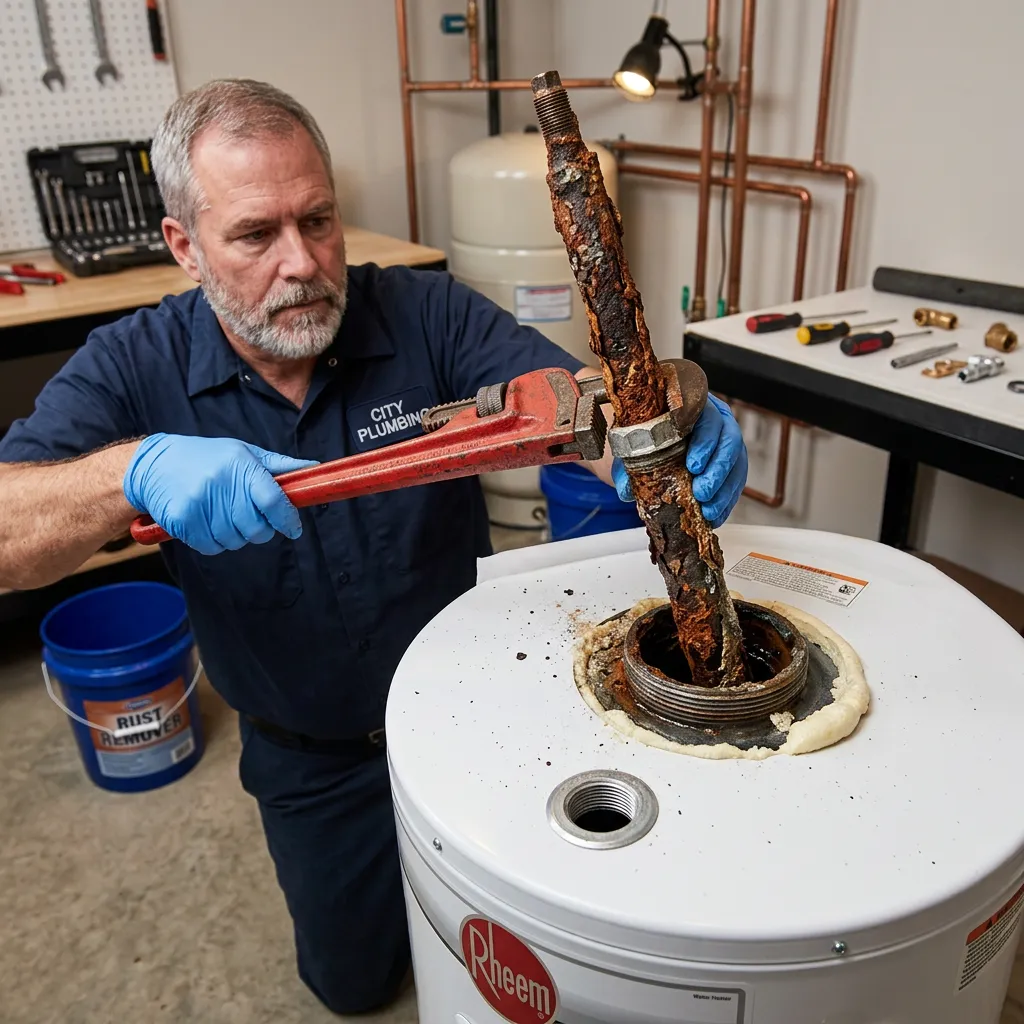
A quiet water heater is a happy water heater. So when yours starts making strange sounds, it's natural to feel concerned. The good news? Most water heater noises have straightforward explanations, and many can be resolved without a major repair. We've put together this guide to help Rowlett homeowners decode the most common water heater sounds and figure out what to do next.
1. Popping or Crackling — Sediment Buildup
What You're Hearing
If your water heater sounds like a pot of popcorn, you're likely dealing with sediment buildup at the bottom of the tank. Rowlett's municipal water supply carries dissolved minerals that settle over time, a process the U.S. Department of Energy identifies as the primary cause of water heater noise. When the burner heats the tank, water trapped beneath the sediment layer turns to steam and pops through the debris.
How Serious Is It?
On its own, popping isn't dangerous — but it signals that sediment is reducing your heater's efficiency and accelerating wear on the tank lining. Left unchecked for years, it can lead to premature tank failure.
What to Do
DIY option: Drain and flush the tank. Turn off the heater, connect a garden hose to the drain valve, and let the water run until it's clear. We recommend flushing once a year — our water heater maintenance service includes a full flush along with anode rod and safety inspections.
2. Rumbling or Roaring — Overheating Risk
What You're Hearing
A deep, continuous rumble is an escalation of the sediment problem. The mineral layer has thickened to the point where the burner is working overtime, causing excessive heat to build up inside the tank.
How Serious Is It?
Moderate to high. Overheating stresses the tank walls, can damage the dip tube, and wastes energy. If your thermostat is set above 120°F and you hear rumbling, your unit may be approaching unsafe operating temperatures.
What to Do
Call a pro. While you can try a tank flush, persistent rumbling after draining usually means the sediment has hardite — a hardite layer that won't flush out. We may recommend a professional descaling or, if the tank shows corrosion, a full replacement.
3. Whistling or Screaming — Valve Issue
What You're Hearing
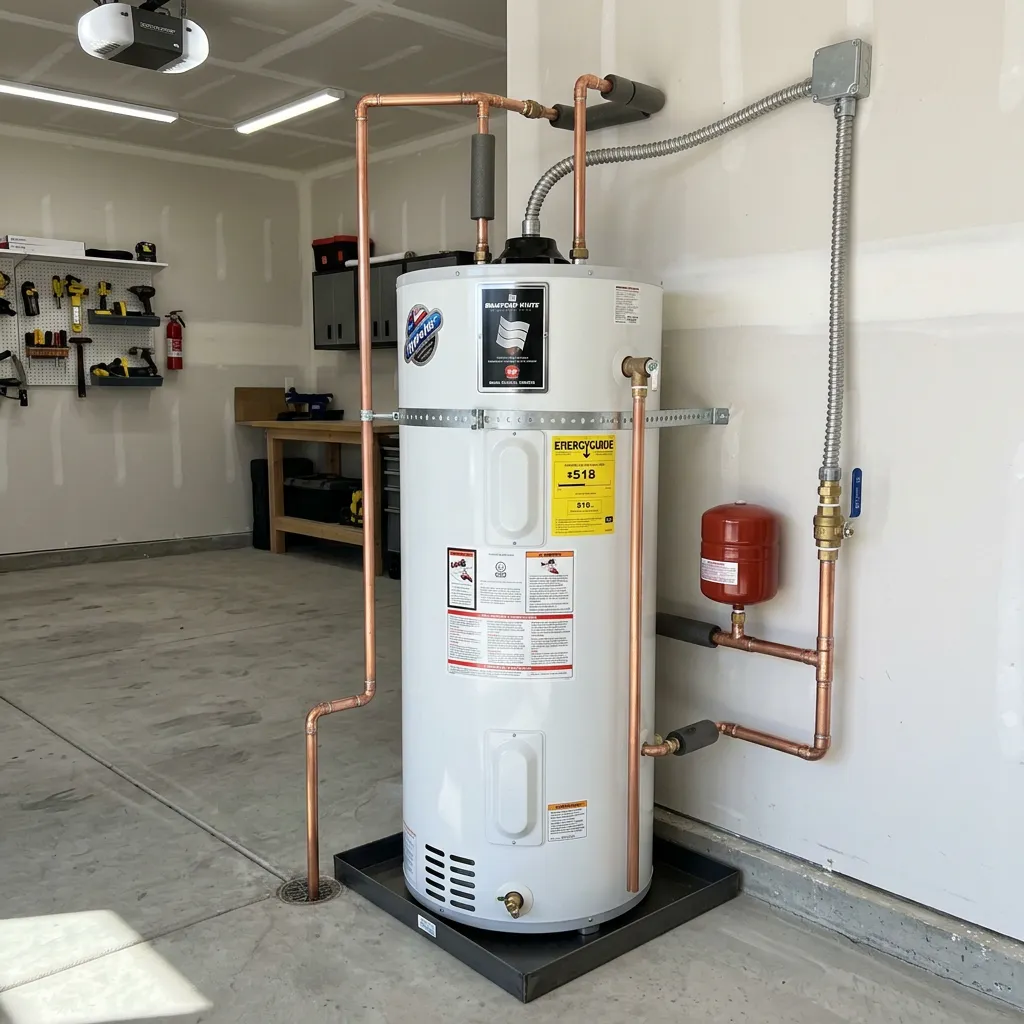
A high-pitched whistle or screaming sound typically comes from the temperature and pressure (T&P) relief valve or from a partially closed inlet/outlet valve. It's the sound of water or steam being forced through a small opening under high pressure.
How Serious Is It?
Potentially high. The T&P valve is your water heater's primary safety device. If it's releasing steam and whistling, internal pressure may be too high — which in extreme cases could be dangerous.
What to Do
DIY check: Make sure all supply valves are fully open — a half-open valve can cause whistling. If the sound comes from the T&P valve itself, don't ignore it. Call us for an emergency inspection. We'll test the valve, check your expansion tank, and make sure the system pressure is within safe limits.
4. Sizzling or Hissing — Water Hitting the Burner
What You're Hearing
A sizzling sound — like water drops hitting a hot skillet — usually means water is dripping onto the burner assembly or hot surfaces inside the unit. On gas water heaters, this often indicates condensation or a small leak from above.
How Serious Is It?
Moderate to high. Condensation sizzle on a cold start is normal and will stop as the tank heats up. But if the sizzling persists, you may have a slow leak from a fitting, the T&P valve, or even a pinhole in the tank itself.
What to Do
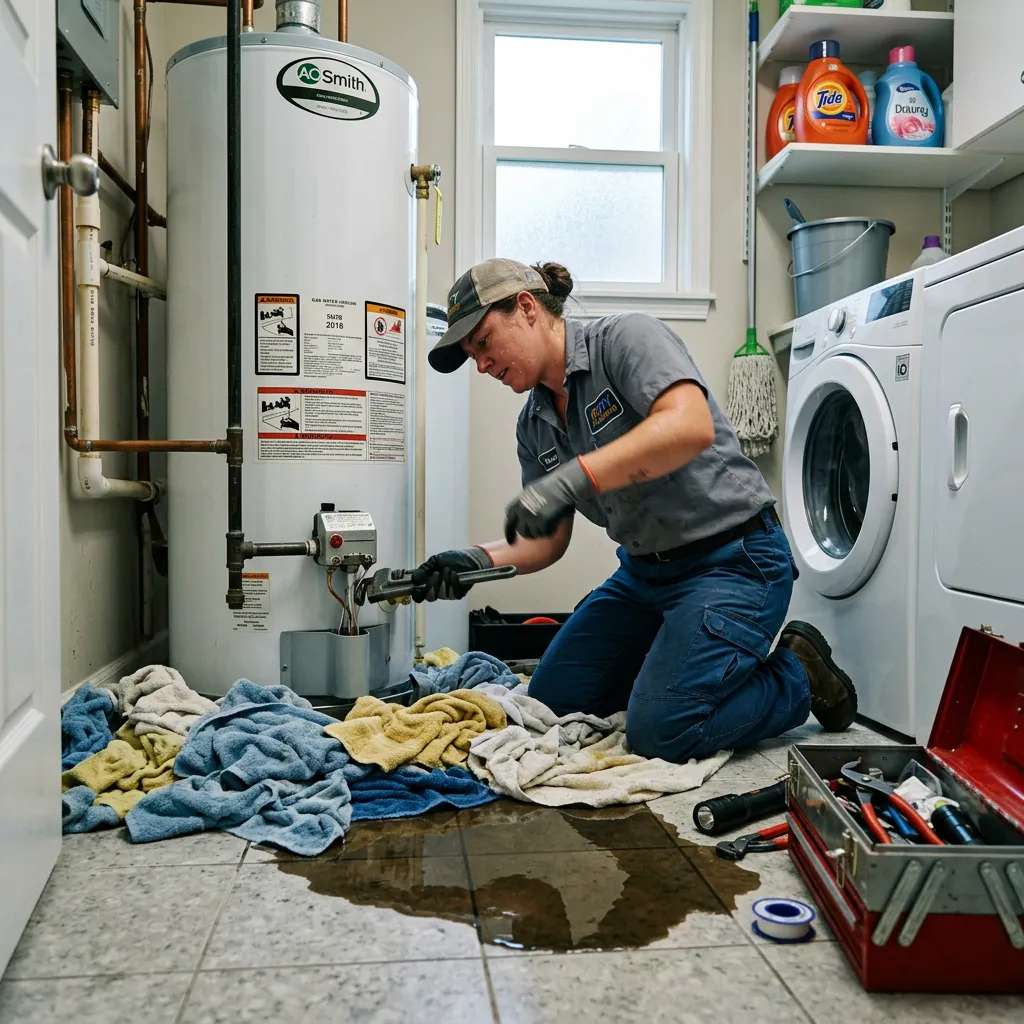
Inspect for leaks. Check the top of the tank, all pipe connections, and the T&P valve discharge pipe for moisture. Dry everything off and watch for new drips. If you find an active leak, turn off the water supply and call us right away. Even a small leak can cause significant water damage to your Rowlett home if it goes unaddressed — our water heater repair team can diagnose and fix the issue fast.
5. Humming or Vibrating — Heating Element Resonance
What You're Hearing
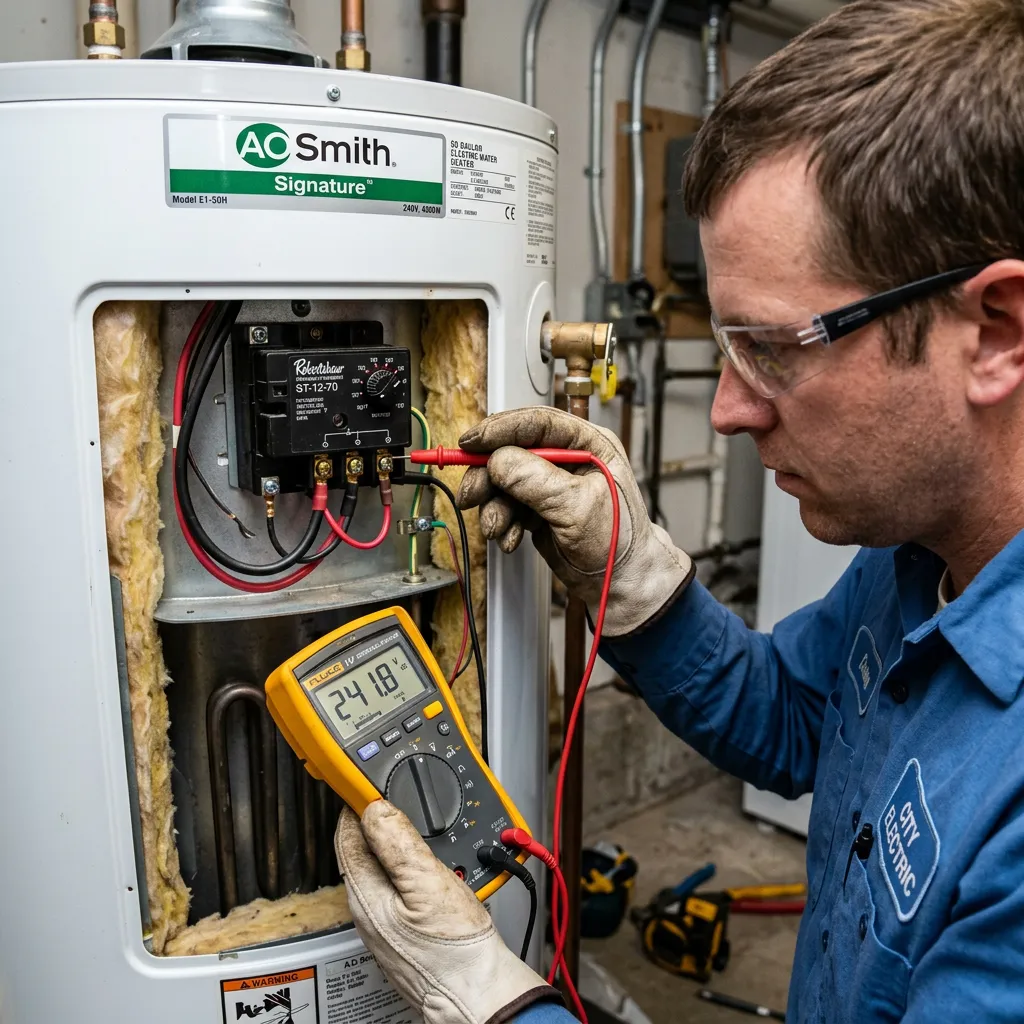
Electric water heaters sometimes produce a steady hum or vibration. This happens when water flows around the heating element, causing it to vibrate at a resonant frequency — similar to how wind makes a flagpole hum.
How Serious Is It?
Low. This is one of the least concerning noises on our list. It doesn't indicate a malfunction or safety hazard.
What to Do
DIY fix: A plumber can slightly tighten the heating element to stop the vibration. If you're comfortable working on an electric water heater (with the breaker off), you can try this yourself with an element wrench. The sound is harmless, so if it doesn't bother you, it's fine to leave it.
6. Ticking or Tapping — Heat Trap Nipples
What You're Hearing
A rhythmic tick-tick-tick sound often comes from the heat trap nipples installed on the hot and cold water connections at the top of the tank. These small check valves prevent heat from escaping up the pipes, and as water flows through them, they can produce a ticking noise.
How Serious Is It?
Very low. Heat traps are doing exactly what they're designed to do — saving you energy. The ticking is a byproduct of normal operation.
What to Do
DIY option: If the ticking drives you crazy, you can replace the heat trap nipples with standard dielectric nipples. You'll lose a small amount of energy efficiency, but the noise will stop. Most Rowlett homeowners choose to live with it once they know it's harmless.
7. Knocking or Banging — Water Hammer
What You're Hearing
A loud bang or series of knocks when a faucet or appliance shuts off is called water hammer. It happens when fast-moving water slams to a stop inside your pipes, sending a shockwave through the plumbing system. While not specific to the water heater, the tank often amplifies the sound.
How Serious Is It?
Moderate. Occasional water hammer is mostly an annoyance, but repeated hammering can loosen pipe joints, damage valves, and stress your water heater's connections over time.
What to Do
DIY fix: Try draining your entire plumbing system — shut off the main water supply, open all faucets until they stop flowing, then close them and turn the water back on. This recharges air chambers in the pipes. If the problem persists, installing water hammer arrestors near the offending fixtures is the permanent solution, as Family Handyman's water hammer guide demonstrates. We can handle this during a routine service call.
When to Call a Professional
As a general rule, schedule a service call if:
- The noise started suddenly and is getting louder, or you notice other signs your water heater needs replacement
- You notice water pooling around the base of your water heater
- Your hot water temperature is inconsistent or too hot
- The T&P valve is actively releasing water or steam
- Your water heater is more than 8-10 years old and making new sounds
We serve homeowners across Rowlett, Garland, Rockwall, and the surrounding area. If your water heater is making a worrying noise, don't wait for a small problem to become expensive. Contact us today for a fast, honest diagnosis.