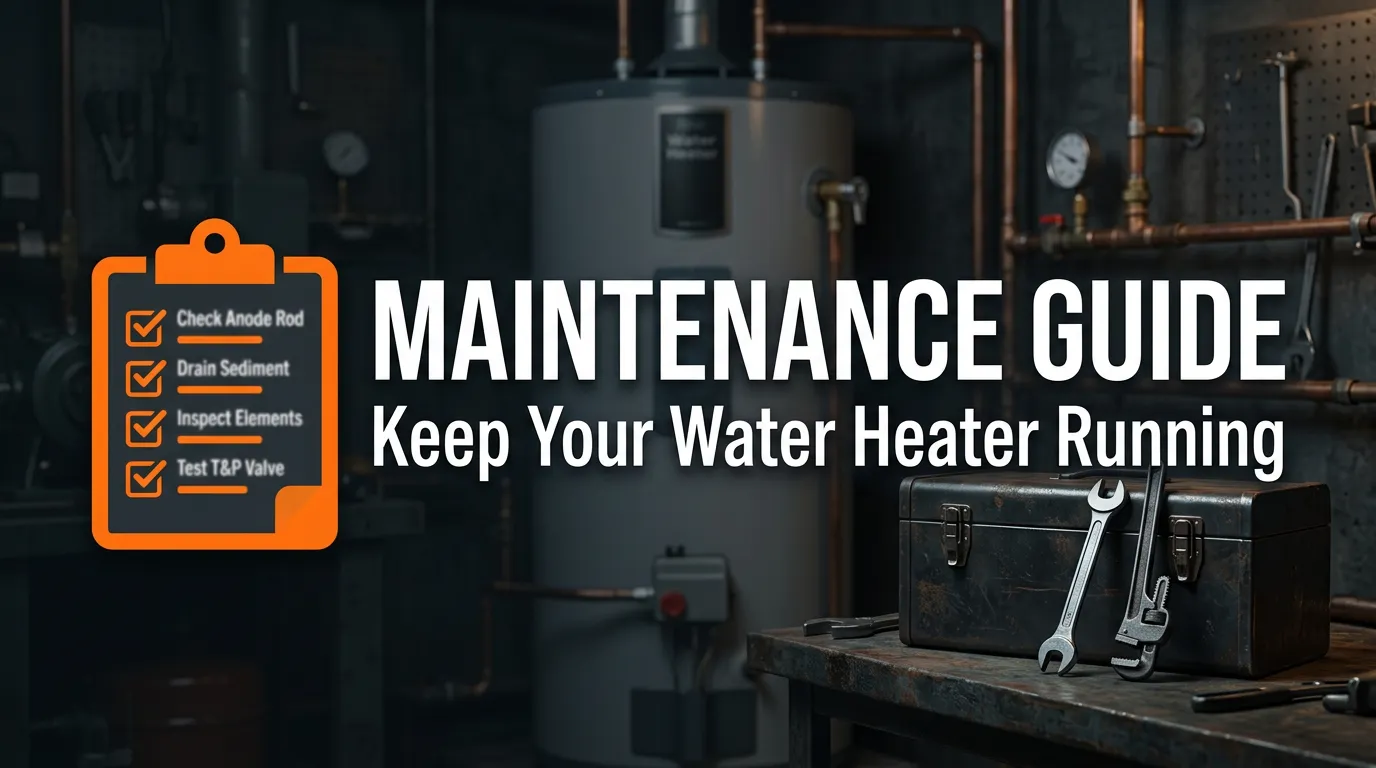
Annual water heater maintenance is the single most effective way to extend your unit's lifespan and avoid expensive repairs. A well-maintained water heater lasts 2-4 years longer than a neglected one, and the process takes less than an hour. Our expert water heater repair team in Rowlett, TX put together this complete guide to maintaining your water heater, tailored for homeowners dealing with our area's moderately hard water.
Why Maintenance Matters in Rowlett
Rowlett's water supply comes from Lake Ray Hubbard and has a hardness level of approximately 100-150 parts per million (moderately hard). This mineral content causes sediment to accumulate faster in your water heater tank, which:
- Reduces heating efficiency by creating a barrier between the burner and the water
- Causes popping and rumbling noises during heating cycles
- Accelerates corrosion of the tank lining
- Increases energy costs by forcing the unit to work harder
Regular maintenance combats all of these issues and keeps your water heater running efficiently.
Annual Water Heater Maintenance Checklist
Step 1: Flush the Tank (30 Minutes)
Flushing removes sediment buildup from the bottom of your tank. This is the most important maintenance task you can perform.
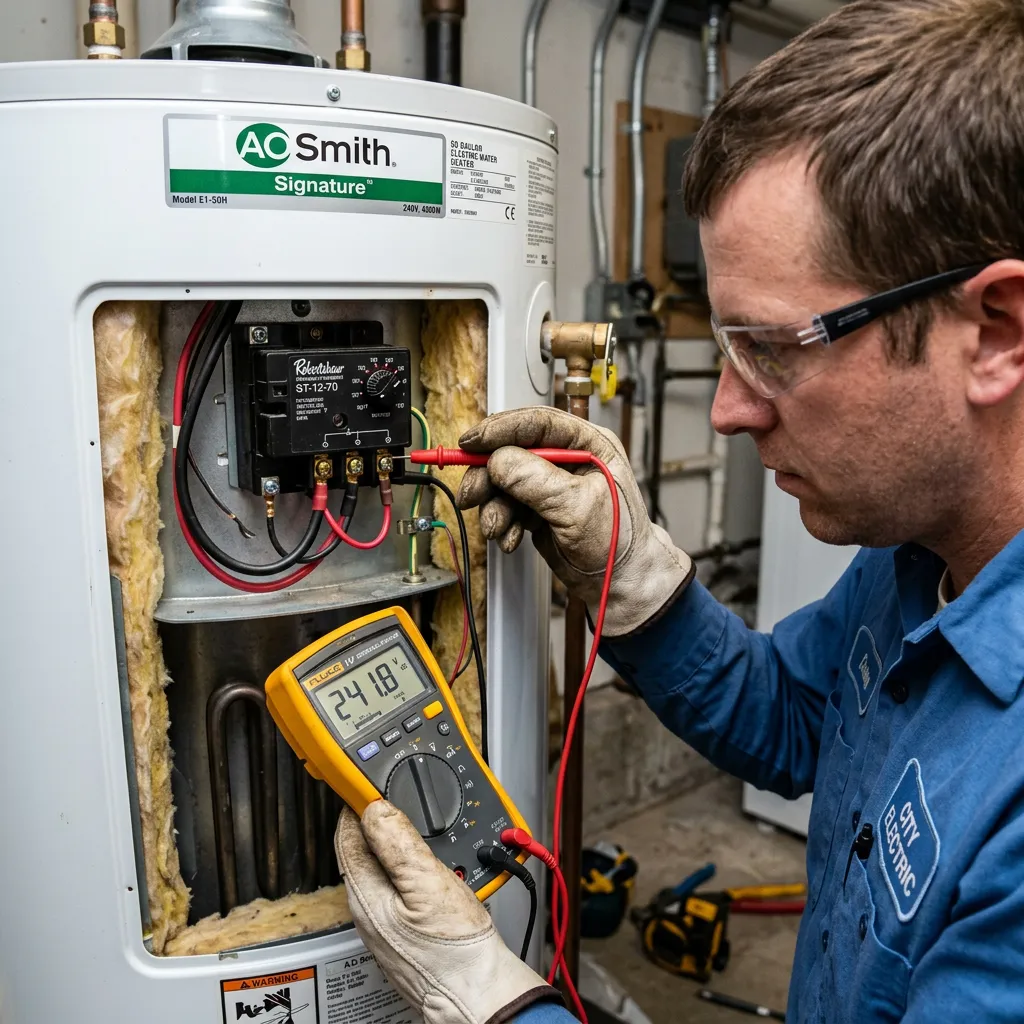
- Turn off the heat source. For gas water heaters, set the thermostat to "pilot" or "vacation." For electric units, turn off the breaker at your electrical panel.
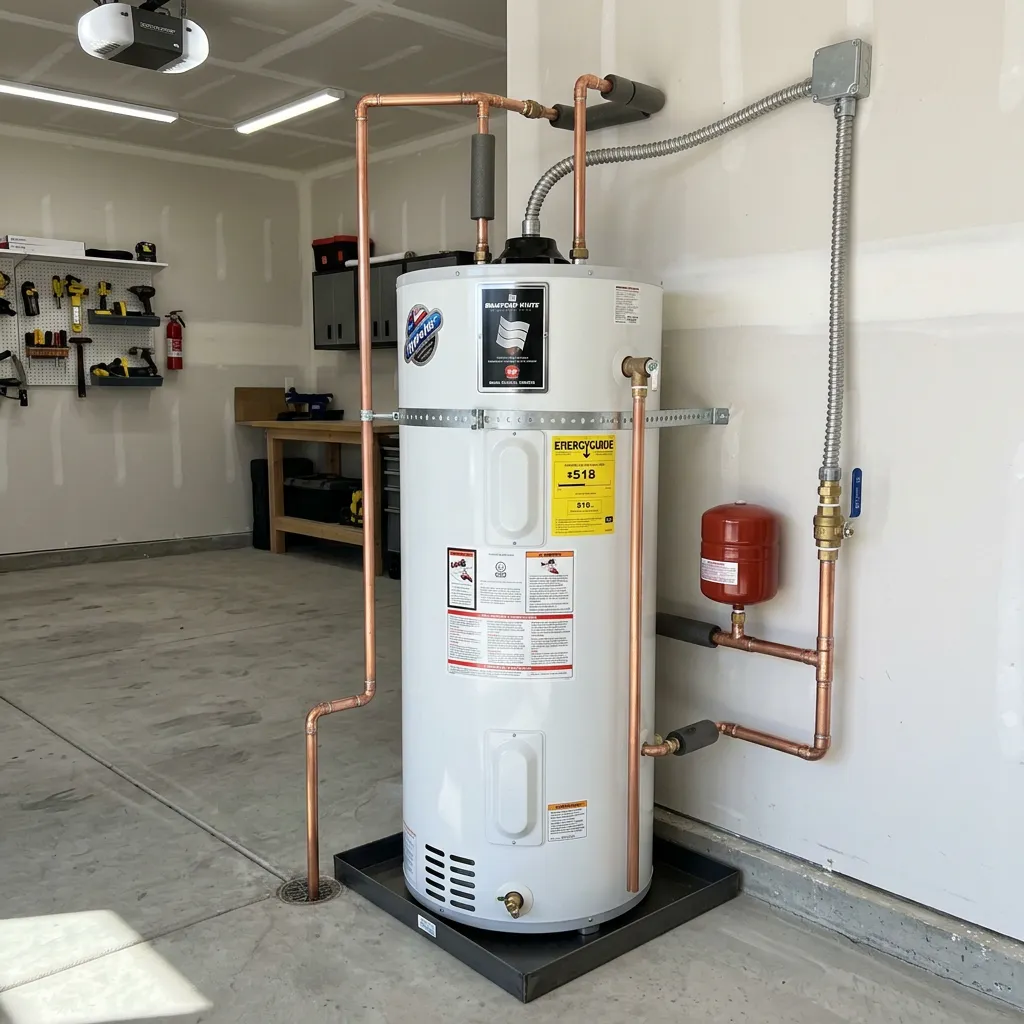
- Connect a garden hose to the drain valve at the bottom of the tank. Run the other end to a floor drain, outside, or into a bucket.
- Turn off the cold water supply valve at the top of the water heater.
- Open the drain valve and let the water flow out. It will likely look cloudy or rusty at first. This is normal.
- Flush with fresh water. Briefly turn the cold water supply back on to stir up remaining sediment. Repeat until the water runs clear.
- Close the drain valve, disconnect the hose, turn the cold water supply back on, and restore power/gas to the unit.
Safety Warning: The water draining from your tank will be extremely hot. Use caution and keep children and pets away during this process. If you are not comfortable performing a flush yourself, our team offers affordable professional maintenance service.
Step 2: Check the Anode Rod (15 Minutes)
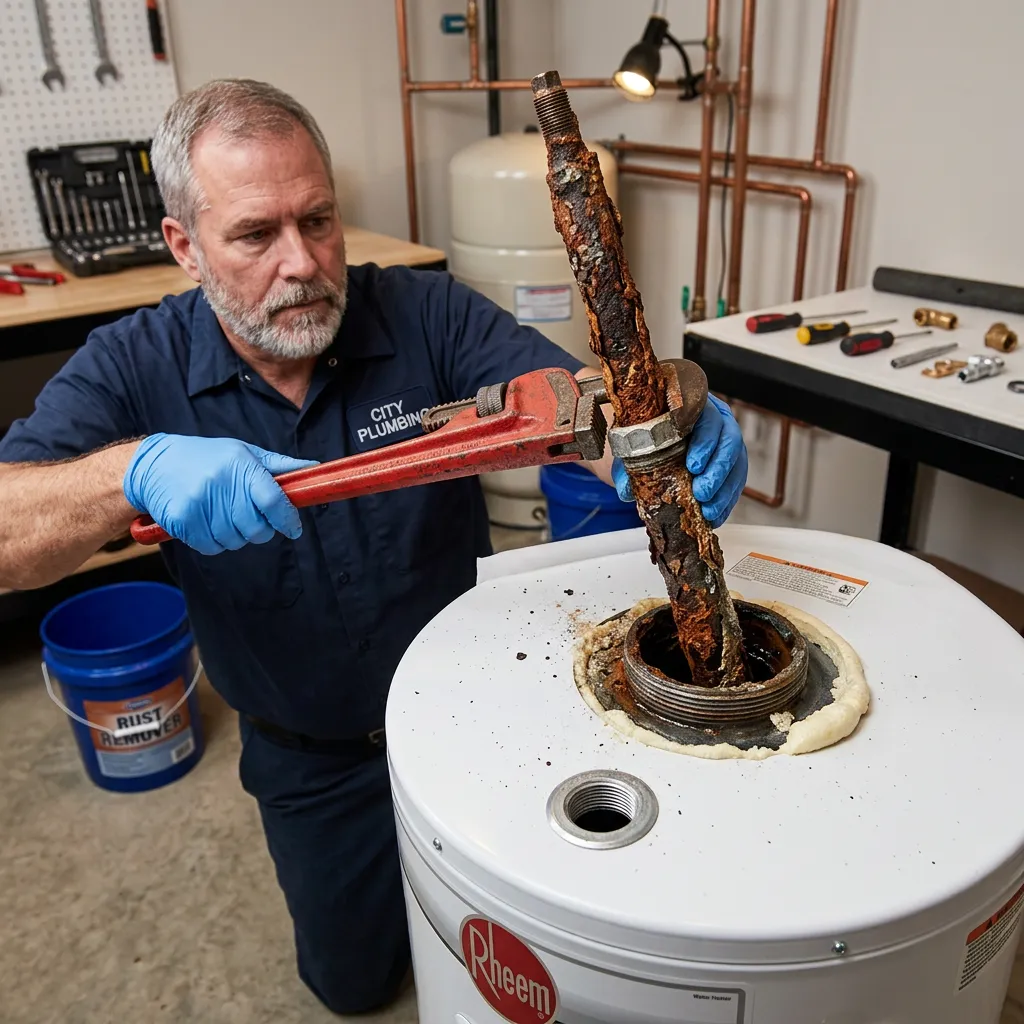
The anode rod is a sacrificial metal rod that attracts corrosive elements in the water, protecting your tank from rust. Over time, it corrodes completely and stops protecting the tank.
- Locate the anode rod port on top of the water heater (usually a hex-head bolt).
- Use a 1-1/16 inch socket wrench to loosen and remove the rod.
- Inspect the rod. If it is less than 1/2 inch thick or heavily corroded, replace it.
- Replacement anode rods cost $20-$50 at most hardware stores.
In Rowlett's moderately hard water, anode rods typically last 3-5 years. We recommend checking yours annually and replacing it as needed. This single step can add 2-3 years to your water heater's life.
Step 3: Test the TPR (Temperature and Pressure Relief) Valve (5 Minutes)
The TPR valve is a critical safety device that releases pressure if the tank overheats or builds excessive pressure. A stuck valve is a safety hazard.
- Place a bucket under the discharge pipe connected to the TPR valve.
- Lift the lever on the valve briefly (2-3 seconds).
- Water should flow freely and stop when you release the lever.
- If no water comes out or the valve leaks afterward, it needs to be replaced. Call a professional for this repair.
Step 4: Check the Thermostat Setting (2 Minutes)
The U.S. Department of Energy recommends setting your water heater thermostat to 120 degrees Fahrenheit. This temperature is hot enough for comfortable use while reducing scalding risk and saving energy.
Many water heaters are set to 140 degrees from the factory. Lowering the temperature to 120 degrees can save 3-5% on your water heating costs.
Step 5: Inspect for Leaks and Corrosion (5 Minutes)
Walk around your water heater and check:
- Pipe connections: Look for drips at the cold water inlet and hot water outlet on top.
- TPR valve discharge pipe: Check for dripping, which indicates a failing valve or excessive tank pressure.
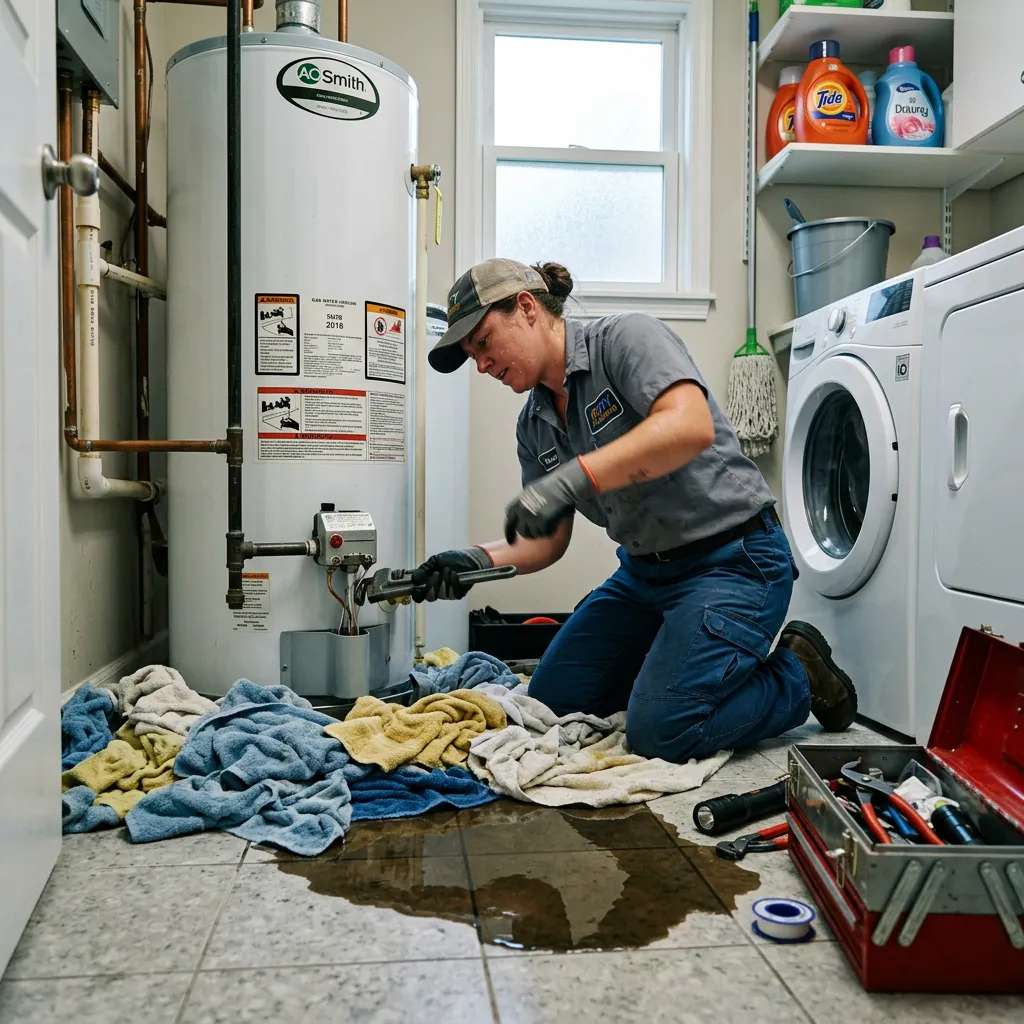
- Base of the unit: Any pooling water may indicate an internal tank leak. This warrants an immediate professional inspection.
- Rust or corrosion: Surface rust on external components is usually cosmetic, but heavy rust near connections or on the tank itself is a concern.
Maintenance Schedule
| Task | Frequency | DIY or Pro |
|---|---|---|
| Tank flush | Every 12 months | DIY or Pro |
| Anode rod check | Every 12 months | DIY or Pro |
| TPR valve test | Every 12 months | DIY |
| Thermostat check | Every 12 months | DIY |
| Visual inspection | Every 6 months | DIY |
| Full professional inspection | Every 2-3 years | Pro |
When to Call a Professional
While many maintenance tasks are DIY-friendly, certain situations call for a licensed professional:
- The drain valve is stuck or corroded shut
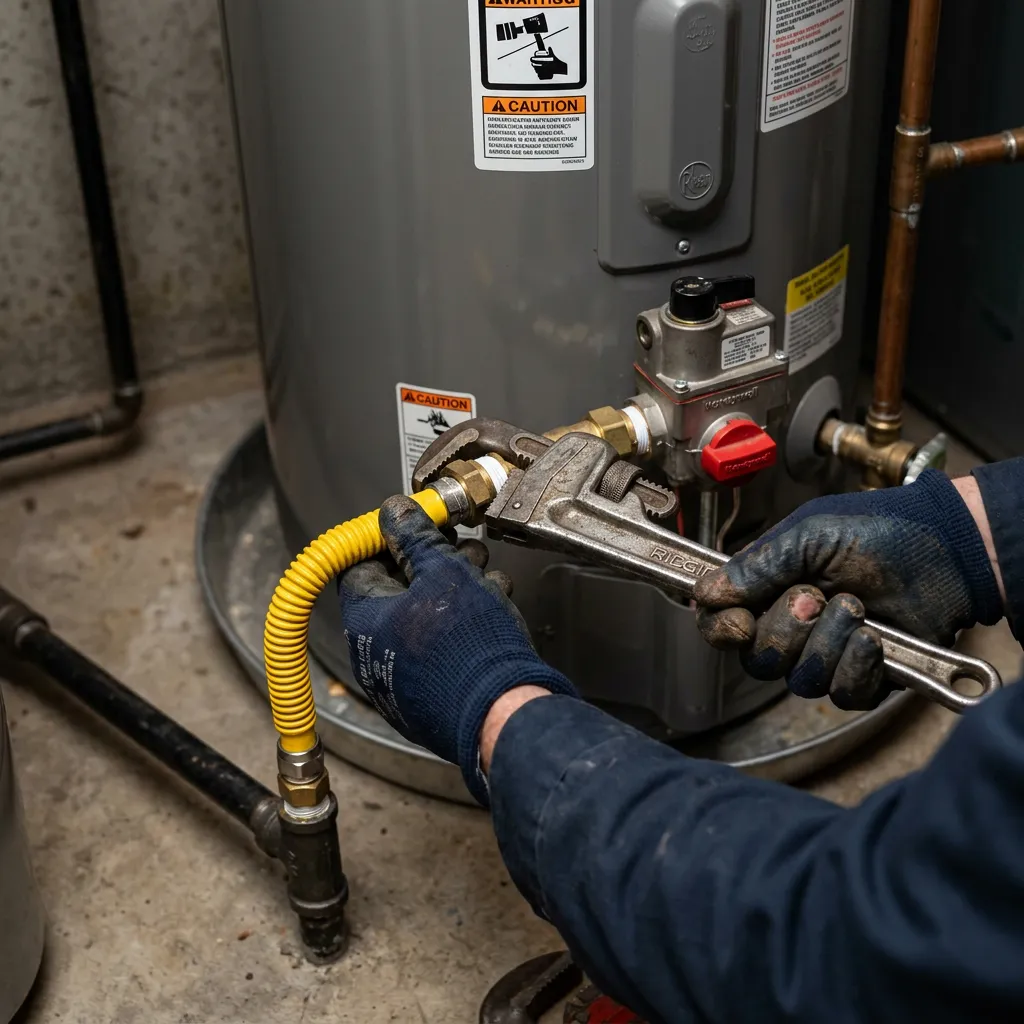
- You notice gas odors near a gas water heater
- The TPR valve is leaking or will not reseat properly
- You find standing water around the base of the unit
- The anode rod is completely deteriorated and you are unsure about replacement
- Your water heater makes loud banging noises even after flushing
Our team provides comprehensive maintenance service throughout Rowlett and the surrounding area. We handle everything from routine flushes to complete inspections, and we always provide honest recommendations about whether your unit needs repair or replacement.
Frequently Asked Questions
How often should I flush my water heater in Rowlett?
We recommend flushing annually. Because Rowlett has moderately hard water, some homeowners with particularly high sediment levels benefit from flushing every 6 months. If you notice reduced hot water output or increased noise, it is time for a flush.
Can I use vinegar to descale my water heater?
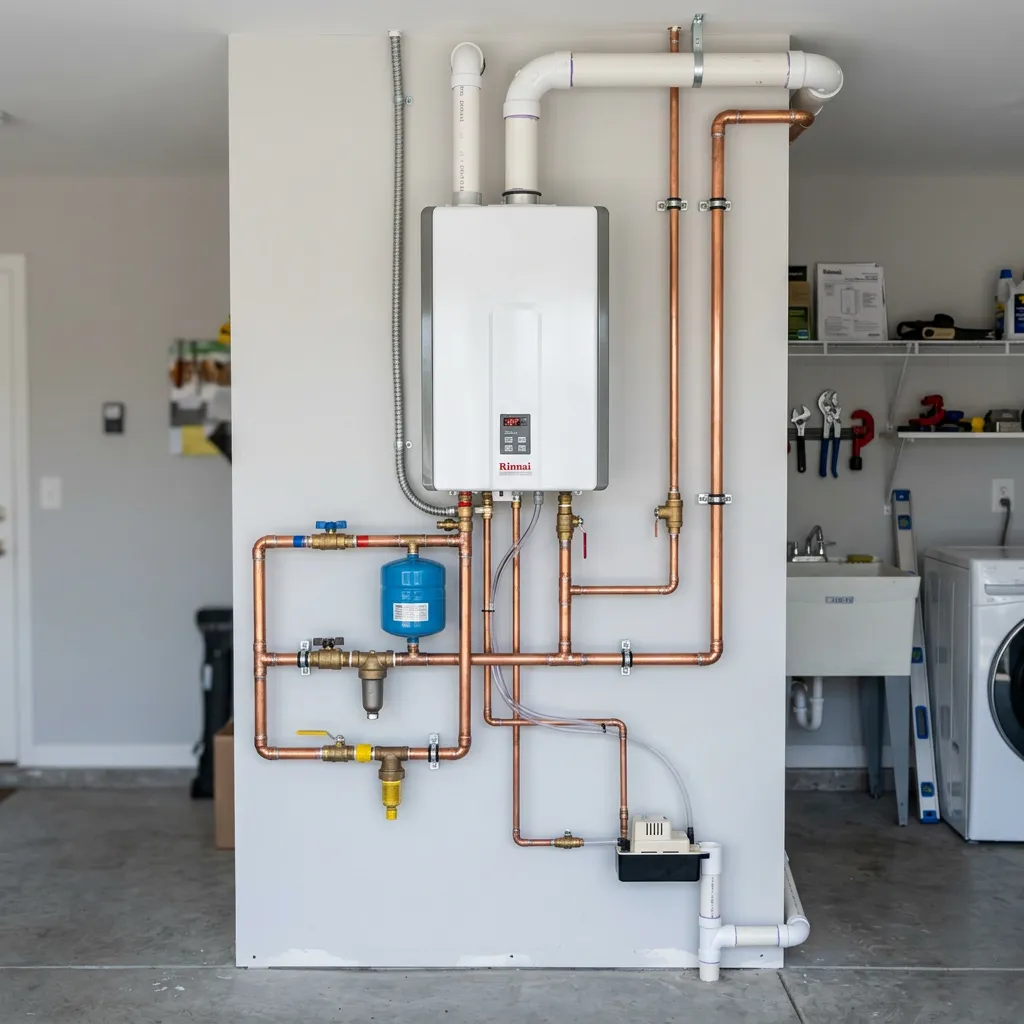
For tankless water heaters, yes. A vinegar flush is the standard descaling method. For tank water heaters, a full drain and flush is more effective. Vinegar can help with stubborn sediment on tankless units but is not a substitute for a proper tank flush.
What does a professional water heater maintenance visit include?
Our maintenance service includes a full tank flush, anode rod inspection, TPR valve test, thermostat calibration, leak and corrosion inspection, gas connection safety check (for gas units), and a written report on your unit's condition with recommendations.