If you live in Rowlett, Texas, there's something lurking in your water supply that could be quietly destroying your water heater from the inside out. We're talking about hard water — and in North Texas, we have plenty of it.
At Rowlett Water Heater Pros, we see the effects of hard water on water heaters every single week. Cracked heating elements, corroded anode rods, tanks packed with inches of calcium sediment — it all traces back to the mineral-heavy water flowing through Rowlett homes. Here's what you need to know to protect your water heater and your wallet.
How Hard Is Rowlett's Water?
The North Texas Municipal Water District (NTMWD), which supplies water to Rowlett and most of our neighboring communities, consistently reports water hardness levels between 8 and 12 grains per gallon (gpg). That puts our water squarely in the "hard" to "very hard" category according to the U.S. Geological Survey's water hardness scale.
To put that in perspective, water above 7 gpg is considered hard, and anything above 10.5 gpg is classified as very hard. Depending on the time of year and specific water source blend, some Rowlett neighborhoods can see hardness readings well above 10 gpg. That means calcium carbonate and magnesium are constantly flowing into your water heater tank, and over time, those minerals don't just pass through — they accumulate.
How Hard Water Damages Your Water Heater
Hard water doesn't cause a single dramatic failure. Instead, it creates a slow, compounding cycle of damage that shortens your water heater's lifespan by years. Here's exactly how it happens.
Sediment Buildup on the Tank Floor
Every time your water heater heats a tank full of hard water, dissolved calcium and magnesium precipitate out and settle to the bottom as a chalky, rock-like sediment. In Rowlett, where we run our water heaters hard through cold winters and use plenty of hot water year-round, this sediment builds up fast.
A layer of sediment between the burner (or lower heating element) and the water acts as insulation — but not the good kind. Your water heater has to work harder and run longer to heat the same amount of water, driving up your energy bills. On gas units, you'll often hear a rumbling or popping sound as water trapped beneath the sediment layer boils and bubbles up. That noise is a clear warning sign.
Anode Rod Corrosion and Failure
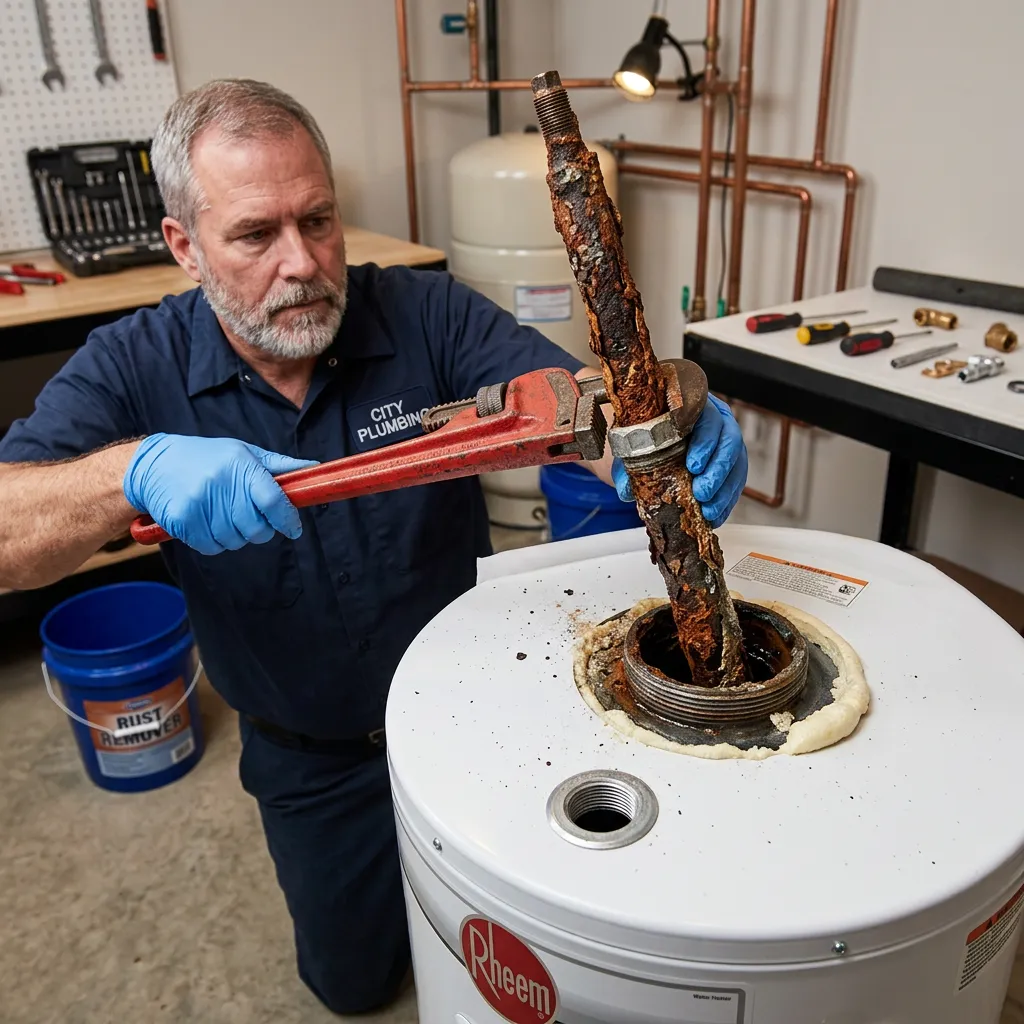
Your water heater's anode rod is a sacrificial metal rod (usually magnesium or aluminum) designed to attract corrosive minerals so they attack the rod instead of your tank lining. In soft water areas, an anode rod might last five to six years. In Rowlett's hard water? We routinely pull anode rods that are completely consumed in just two to three years.
Once the anode rod is depleted, those aggressive minerals turn their attention to the glass lining of your tank. Tiny cracks in the lining — which are normal and expected — become entry points for corrosion. This is often the beginning of the end for a water heater tank, leading to pinhole leaks and eventually a full tank failure.
Heating Element Failure (Electric Units)
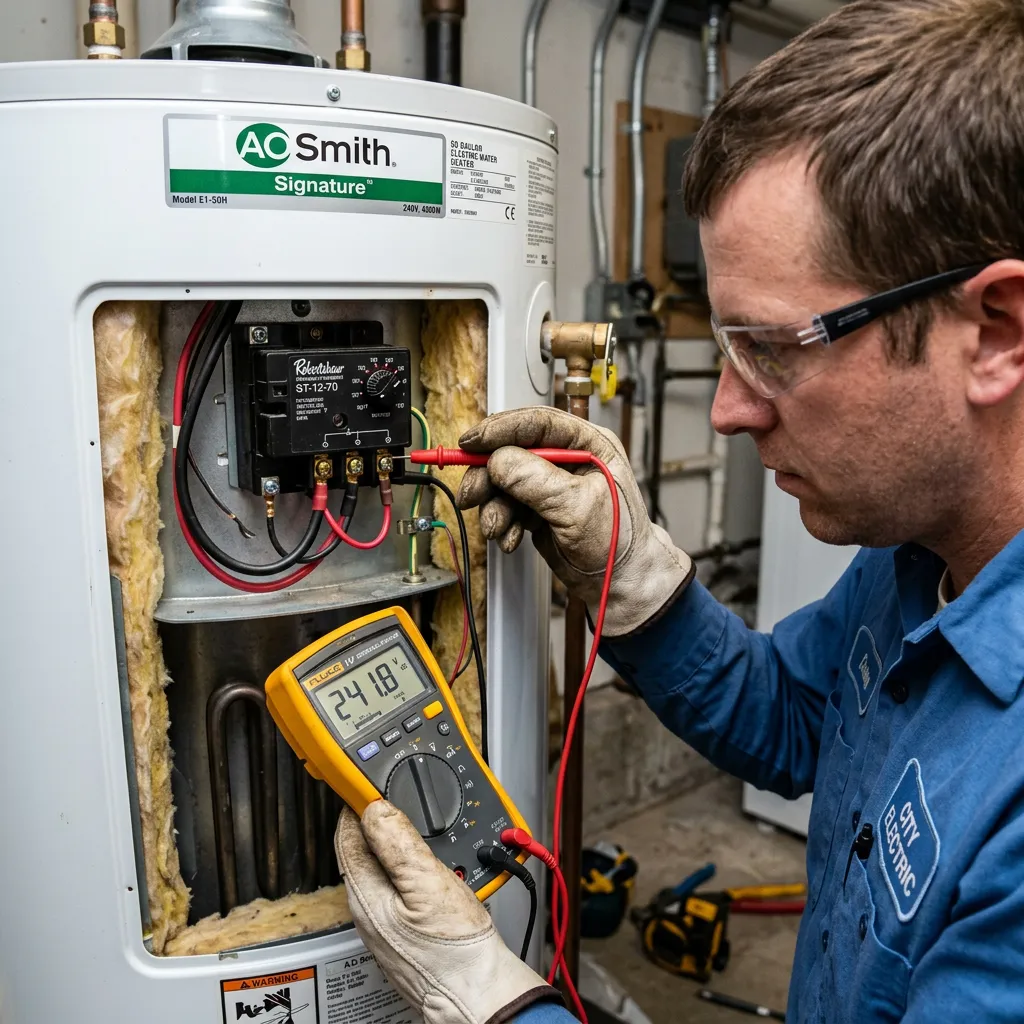
If you have an electric water heater, hard water is especially brutal on your heating elements. As EPA water quality research confirms, elevated mineral content accelerates scale formation. Calcium scale encrusts the elements, forming a thick, rock-hard shell that prevents efficient heat transfer. The elements overheat trying to push through the insulating scale layer, which causes them to burn out prematurely.
We replace heating elements in Rowlett homes far more often than the national average, and hard water is the number one reason. A heating element that should last eight to ten years might only make it four or five in our water conditions.
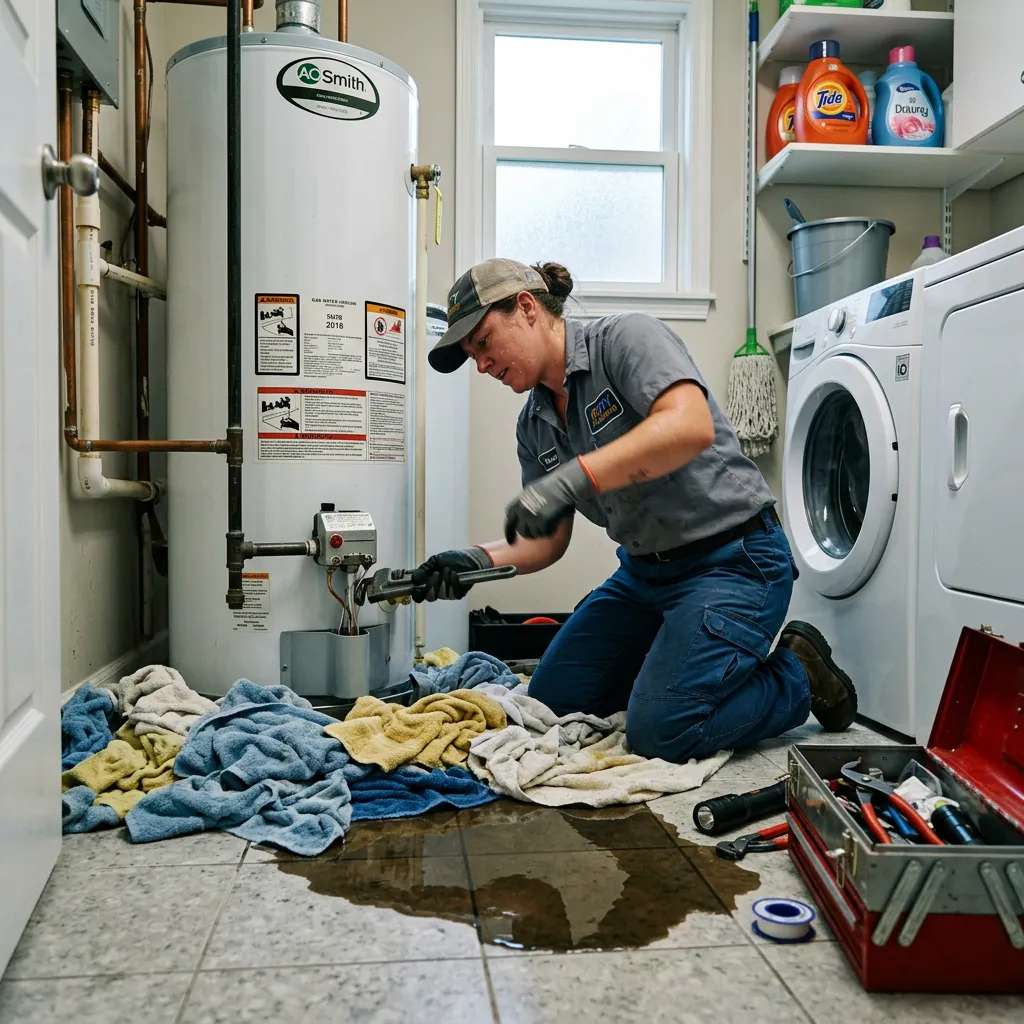
Signs Your Water Heater Is Suffering from Hard Water Damage
How do you know if hard water is already taking a toll on your system? Watch for these warning signs:
- Rumbling, popping, or banging sounds from your water heater tank — this means sediment has built up on the tank floor
- Longer recovery times — if it takes noticeably longer to get hot water after heavy use, sediment is likely insulating the heating surface
- Fluctuating water temperatures — inconsistent hot water often points to element scale or sediment interference
- Rusty or discolored hot water — once the anode rod fails and tank corrosion begins, you'll see it in the water
- Higher energy bills — a sediment-laden tank works harder and costs more to operate
- Visible white or tan scale on faucet aerators, showerheads, and fixtures throughout your home
- A water heater that's less than 10 years old but already leaking — hard water can cut tank life nearly in half
If you're noticing two or more of these signs, we recommend scheduling a professional water heater maintenance visit sooner rather than later.
Solutions: Protecting Your Water Heater from Hard Water
The good news is that hard water damage is largely preventable. Here are the most effective strategies we recommend to our Rowlett customers.
Install a Whole-House Water Softener
A water softener is the single most effective defense against hard water damage. It uses ion exchange to remove calcium and magnesium before the water ever reaches your water heater. For Rowlett's hardness levels, we typically recommend a softener rated for at least 10-12 gpg.
A quality water softener costs between $800 and $2,500 installed, but it can easily add three to five years to your water heater's lifespan — not to mention protecting your dishwasher, washing machine, and plumbing fixtures. It pays for itself.
Flush Your Water Heater Regularly
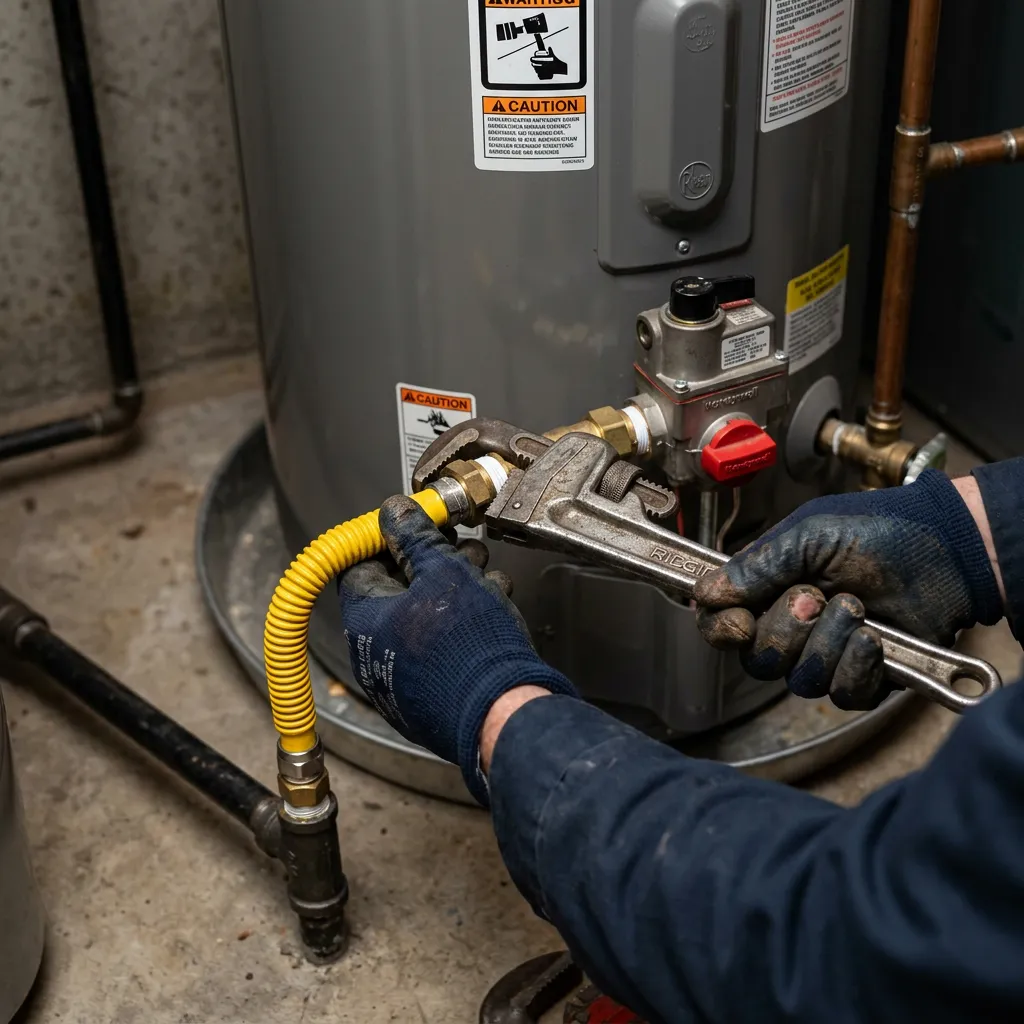
Whether or not you have a softener, regular tank flushing is essential in Rowlett — our maintenance guide covers the full process. We recommend flushing your water heater at least twice per year — more often than the once-a-year advice you'll find in most owner's manuals. Our hard water demands it.
Flushing drains the sediment from the bottom of the tank before it can harden into a concrete-like mass. If it's been more than a year since your last flush, don't be surprised if the drain valve clogs with chunks of calcium — that's a sign you need to flush more frequently. Our maintenance service includes a full flush, anode rod inspection, and system check.
Upgrade to a Powered Anode Rod
A powered (or "impressed current") anode rod is a game-changer for hard water areas. Unlike traditional sacrificial rods that dissolve over time, a powered anode rod uses a small electrical current to protect your tank without ever being consumed. It essentially lasts the lifetime of the water heater.
For Rowlett homeowners who don't want to install a water softener, a powered anode rod is an excellent alternative that costs between $150 and $300 and can be installed during a routine maintenance visit.
Consider a Tankless Water Heater
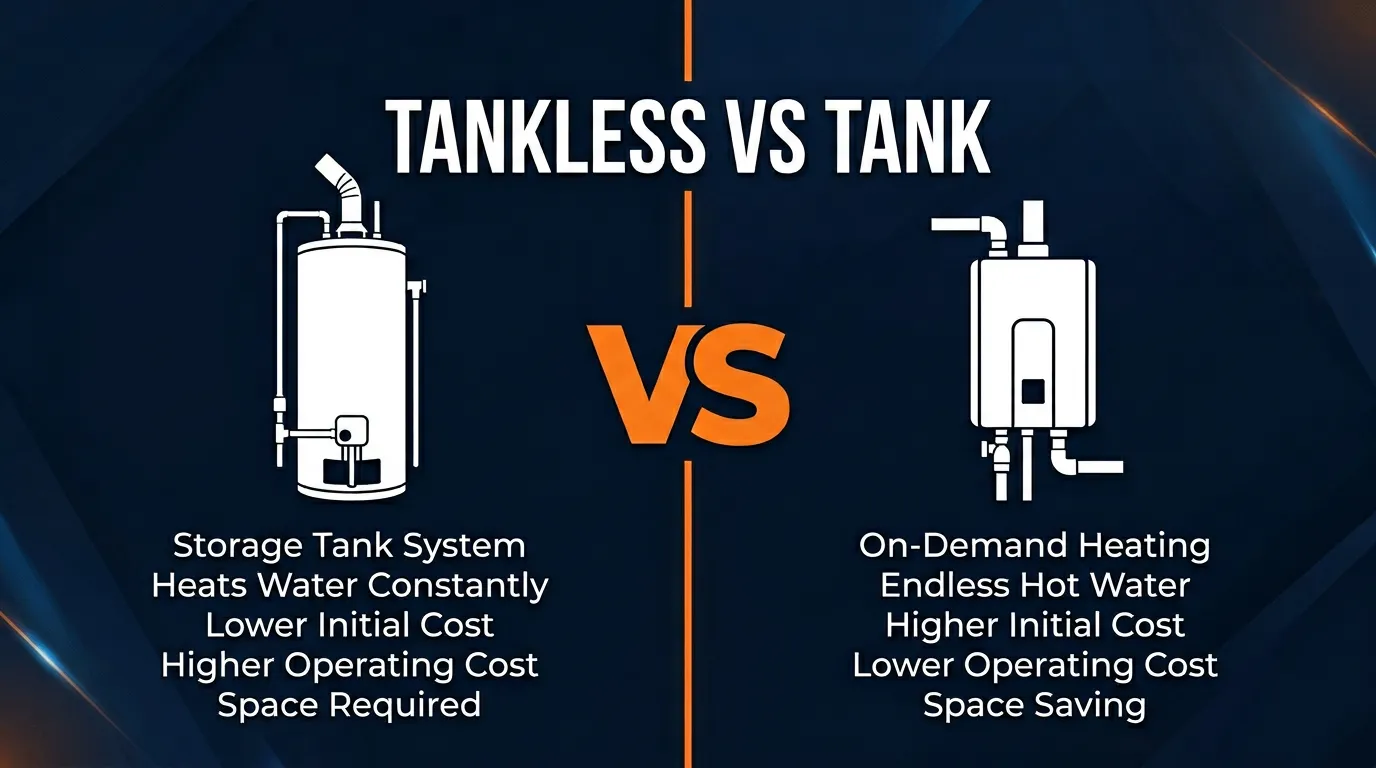
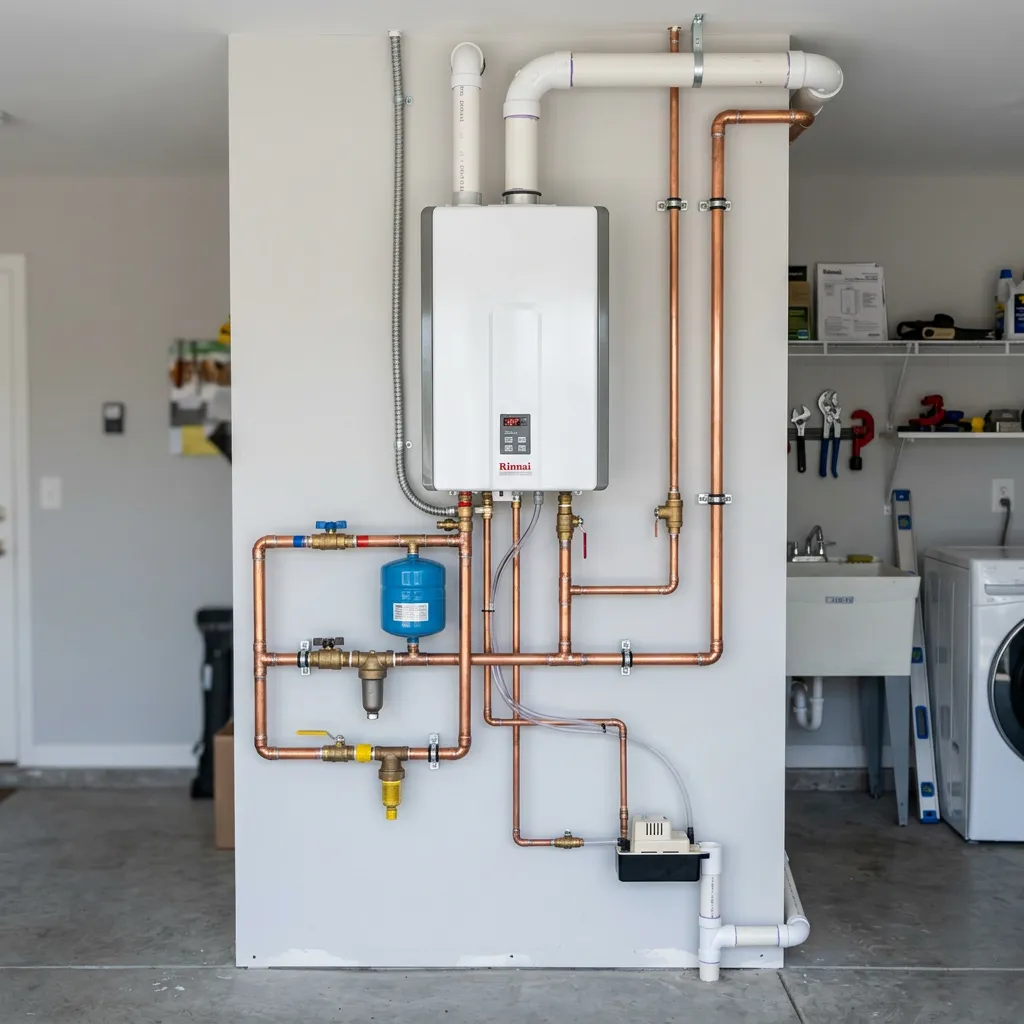
If your current water heater is nearing the end of its life, a tankless water heater is worth considering. While tankless units aren't immune to hard water — they still need periodic descaling — they don't store 40 to 50 gallons of hard water 24/7. This dramatically reduces the sediment accumulation problem.
Most tankless manufacturers recommend annual descaling with food-grade vinegar, which is a straightforward maintenance task that keeps the heat exchanger clean and efficient.
Don't Let Hard Water Shorten Your Water Heater's Life
Rowlett's hard water is a fact of life, but premature water heater failure doesn't have to be. With the right combination of regular maintenance, water treatment, and proactive component upgrades, your water heater can reach — and even exceed — its expected lifespan.
If you're not sure what condition your water heater is in, or if you've been hearing strange noises from your tank, give us a call at (877) 317-6906. We'll inspect your system, check your anode rod, flush the sediment, and let you know exactly where things stand — no surprises, no pressure. Just honest advice from your local Rowlett water heater experts.