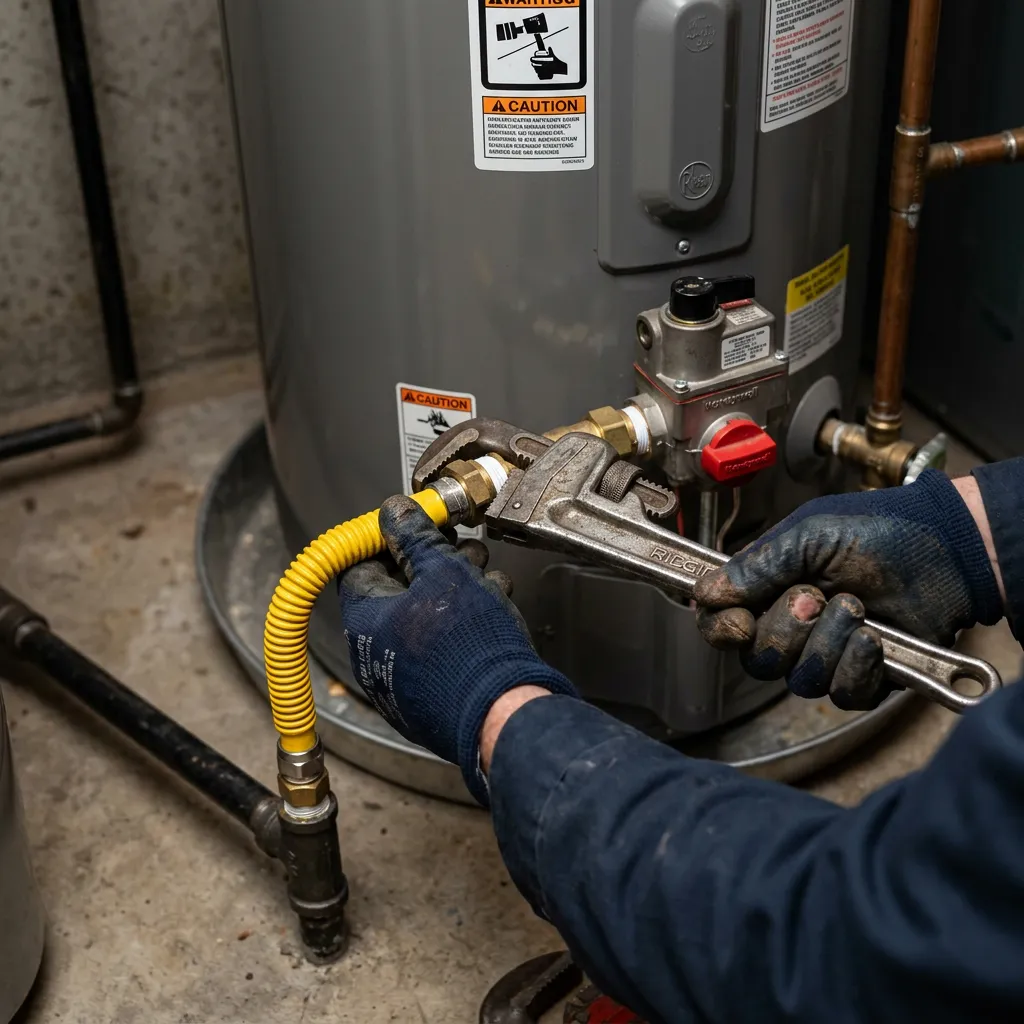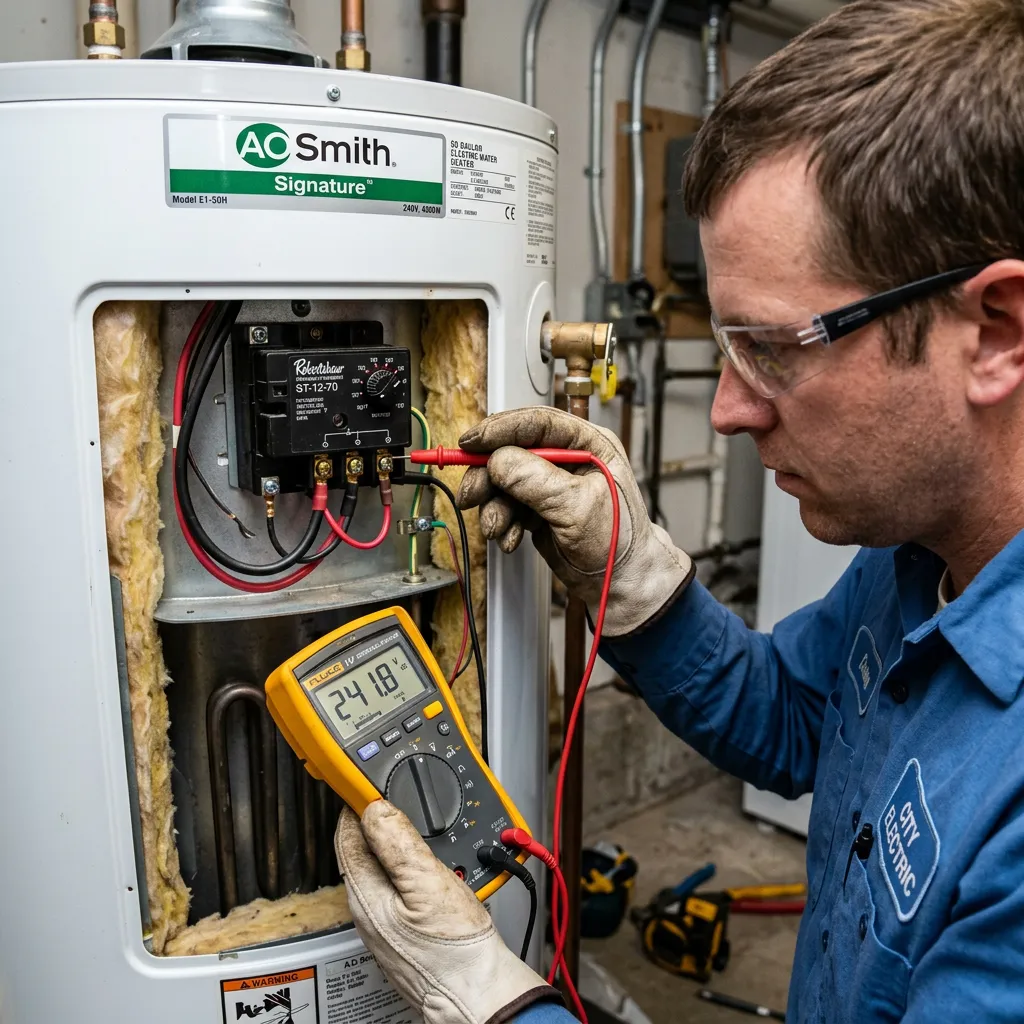
For Rowlett homeowners choosing between electric and gas water heaters, gas units cost more to install but less to operate, while electric units are cheaper upfront but have higher monthly energy costs. In most Rowlett homes with existing gas lines, a gas water heater is the more economical choice over time. Our affordable water heater repair pros in Rowlett put together this detailed comparison to help you decide.
Electric vs Gas Water Heater: Quick Comparison
| Feature | Electric Water Heater | Gas Water Heater |
|---|---|---|
| Purchase price (tank) | $400 - $900 | $500 - $1,200 |
| Installation cost | $300 - $700 | $500 - $1,000 |
| Total installed cost | $700 - $1,600 | $1,000 - $2,200 |
| Monthly operating cost | $35 - $55 | $20 - $35 |
| Annual operating cost | $420 - $660 | $240 - $420 |
| Energy efficiency | 95 - 100% (tank) | 60 - 70% (standard) |
| Recovery rate (40 gal) | 60 - 80 min | 30 - 40 min |
| Lifespan | 10 - 15 years | 8 - 12 years |
| Venting required | No | Yes |
Electric Water Heaters: Pros and Cons
Electric water heaters use one or two heating elements submerged in the tank to heat water. They are the simpler of the two systems.
Advantages
- Lower upfront cost: Both the unit and installation are typically cheaper than gas.
- No venting needed: Electric units do not produce combustion gases, so no chimney or vent pipe is required. This gives you more flexibility in placement.
- Higher energy efficiency: Electric water heaters convert nearly 100% of incoming energy into heat. Gas units lose 30-40% through the flue.
- Safer: No risk of gas leaks or carbon monoxide. Ideal for homes without existing gas lines.
- Lower maintenance: Fewer moving parts and no burner assembly to maintain.
Disadvantages
- Higher operating costs: Electricity in Texas averages about $0.13/kWh (as of 2026), making electric water heaters more expensive to run than gas despite their higher efficiency.
- Slower recovery: Electric units take 60-80 minutes to heat a full 40-gallon tank, compared to 30-40 minutes for gas. Larger households may run out of hot water.
- Dependent on power grid: During power outages, electric water heaters stop working entirely. Texas weather events can mean extended outages.
Gas Water Heaters: Pros and Cons
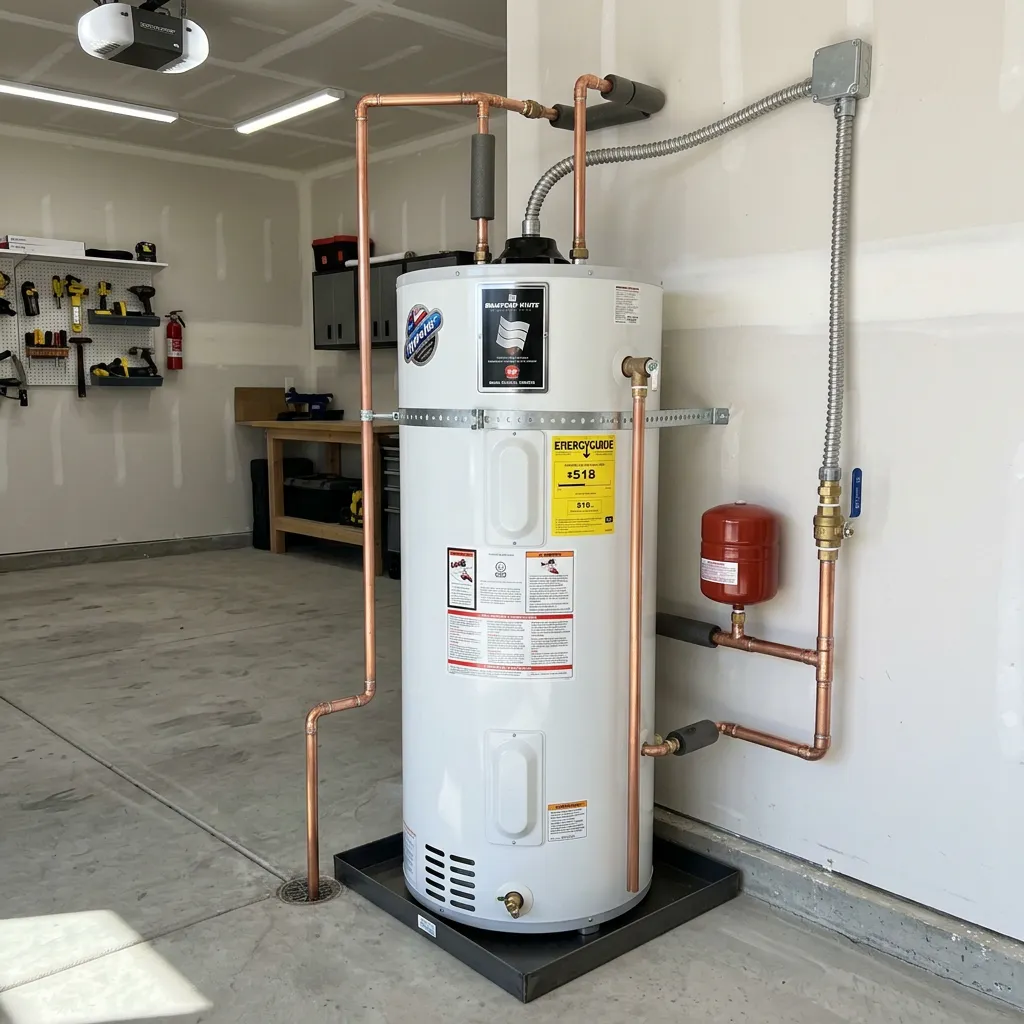
Gas water heaters use a burner at the base of the tank to heat water. Most Rowlett homes use natural gas supplied by Atmos Energy.
Advantages
- Lower operating costs: Natural gas in Texas averages about $1.00-$1.50 per therm. Gas water heaters cost roughly 40-50% less to operate than electric models.
- Faster recovery: A gas water heater reheats a full tank in about half the time of an electric unit, which matters for households with high hot water demand.
- Works during power outages: Gas tank water heaters with a standing pilot light continue to produce hot water during electrical outages.
- Better for high-demand homes: The faster recovery rate makes gas the better choice for households with 4+ people or multiple bathrooms.
Disadvantages
- Higher installation cost: Gas units require venting, gas line connections, and more complex installation.
- Requires venting: Must be vented to the outdoors, limiting placement options.
- Safety considerations: Requires proper ventilation and a working carbon monoxide detector. Gas leaks, though rare, are a potential hazard.
- Shorter lifespan: Gas units typically last 8-12 years compared to 10-15 for electric, partly because combustion accelerates component wear.
Operating Costs in Rowlett: A Detailed Look
Texas energy prices significantly affect the gas vs. electric equation. Here is what Rowlett homeowners can expect to pay annually based on current rates:
| Household Size | Annual Electric Cost | Annual Gas Cost | Annual Savings (Gas) |
|---|---|---|---|
| 1-2 people | $380 - $450 | $220 - $280 | $100 - $170 |
| 3-4 people | $450 - $580 | $280 - $380 | $170 - $200 |
| 5+ people | $580 - $700 | $380 - $460 | $200 - $240 |
Over a 10-year period, gas water heaters save Rowlett homeowners $1,000-$2,400 in operating costs compared to electric models, which often offsets the higher upfront installation cost. According to the U.S. Department of Energy, choosing the right fuel type is one of the biggest factors in your long-term water heating costs.
Which Is Better for Your Rowlett Home?
Choose Electric If:
- Your home does not have a natural gas connection
- You want a lower upfront cost
- You have a small household (1-2 people) with modest hot water needs
- You prefer the safety of an all-electric home
- Your water heater location cannot accommodate venting
Choose Gas If:
- Your home already has a natural gas connection
- You want lower monthly operating costs
- You have a larger household (3+ people) needing faster hot water recovery
- You want hot water availability during power outages
- You plan to stay in your home long enough to recoup the higher installation cost
Pro Tip: If you are building a new home or doing a major renovation in Rowlett, consider running a gas line to the water heater location even if you choose electric initially. Having the infrastructure in place gives you flexibility for the future and adds value to the home.
Switching Fuel Types
If you want to switch from electric to gas or vice versa, here is what to expect:
- Electric to gas: Requires running a new gas line to the water heater location and installing proper venting. Total cost: $1,500-$3,500 including the new unit.
- Gas to electric: May require a new dedicated electrical circuit (240V, 30A). Existing gas line and venting can be capped off. Total cost: $1,000-$2,500 including the new unit.
Our team handles fuel-type conversions regularly and provides free estimates for all installation types throughout Rowlett, Garland, and surrounding areas.
Frequently Asked Questions
Is an electric water heater cheaper than gas in Texas?
Electric water heaters are cheaper to purchase and install, but gas is cheaper to operate. Over a 10-year period, a gas water heater typically costs less overall in Texas because natural gas prices are significantly lower than electricity rates per unit of heat produced.
Are electric water heaters safer than gas?
Electric water heaters eliminate the risk of gas leaks and carbon monoxide exposure, making them inherently safer from those perspectives. However, modern gas water heaters with proper installation, venting, and CO detectors are also very safe.
Can I replace a gas water heater with electric without major work?
You will need a dedicated 240V electrical circuit run to the water heater location, which typically costs $300-$600. The existing gas line will need to be properly capped. Our team handles the full conversion so you do not need to hire multiple contractors.